An ADNOC vessel attacked UAE territorial waters was confirmed on Tuesday afternoon, when ADNOC Logistics and Services, the shipping arm of the Abu Dhabi state oil group, said that one of its ships had been damaged in an attack inside the territorial waters of the United Arab Emirates, in the Persian Gulf. The confirmation brought the tanker war that has been building around the Strait of Hormuz directly into Emirati waters, and it raised the stakes for shipping in one of the world’s most important energy routes.
The company did not communicate the identity of the ship, the extent of the damage or the condition of the crew. Response teams were still at work when the statement was issued, and the company said it would provide more information as the situation became clear. The lack of detail left the most basic questions unanswered, and it underlined how little is known in the first hours after such an incident, when the priority is the safety of the crew and the containment of any damage.
ADNOC asked the public to rely only on official sources and not to relay rumours or unverified information. The appeal reflected a concern that speculation would spread faster than facts, especially after unverified images circulated the previous week that appeared to show what looked like an ADNOC tanker on fire in the strait. The company has not confirmed that those images show one of its ships, and the gap between what circulates online and what is officially confirmed has become a feature of the current campaign against shipping.
What Happened to the ADNOC Vessel Attacked UAE Territorial Waters
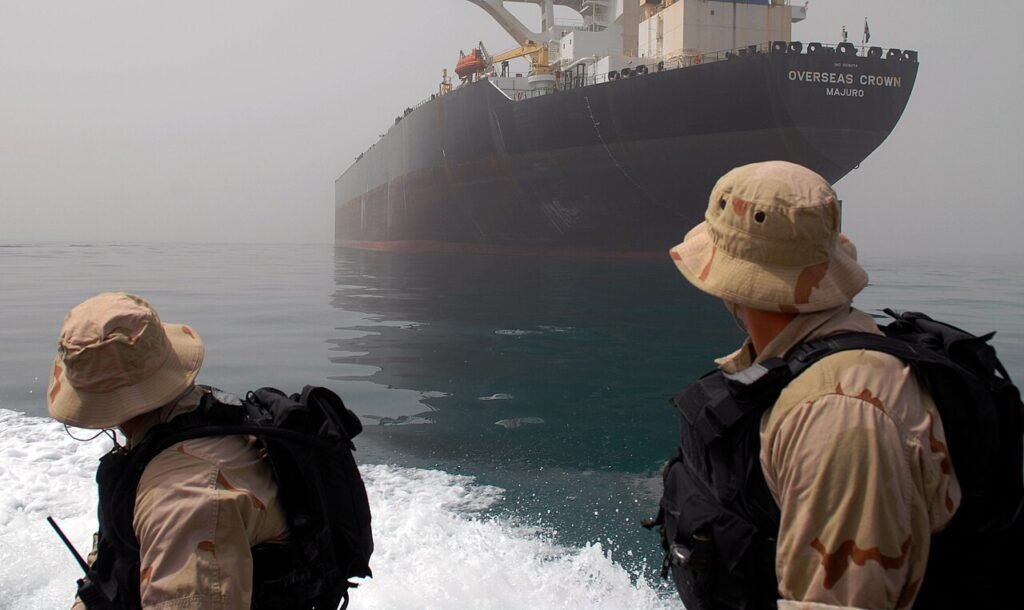
On the same Tuesday, the British centre UKMTO reported that a tanker had been struck by an unidentified projectile about 19 nautical miles northeast of Lima, in Oman, on the other side of the Strait of Hormuz. The crew was safe and sound, and the captain planned a more thorough inspection of the damage at first light the next day. The incident was reported separately from the ADNOC statement, and the two accounts describe different positions, different circumstances and different details.
It is not established that the two incidents concern the same ship or the same attack, as the reported positions are different. The ADNOC vessel attacked UAE territorial waters was hit inside Emirati waters, while the UKMTO report places its incident off the Omani coast, northeast of Lima. The distance between the two locations, and the different descriptions, suggest they may be separate events, but the information available so far does not allow a firm conclusion.
The possibility that the ADNOC vessel attacked UAE territorial waters was one of two tankers attacked on the same day, in different parts of the strait, cannot be ruled out. Only an official statement can confirm whether the ADNOC vessel attacked UAE territorial waters and the tanker reported by UKMTO are one and the same.
ADNOC is one of the biggest operators in the dangerous trade of the Strait of Hormuz and has been attacked before. Its ships carry oil and gas through a narrow waterway that is the only sea exit from the Persian Gulf, and the company is a familiar target for those who wish to disrupt the flow of energy. The attack on Tuesday, whatever its precise circumstances, fits a pattern of strikes against commercial shipping that has intensified in recent weeks.
The ADNOC Vessel Attacked UAE Territorial Waters and the Wider Pattern
The attacks target the route known as the Hormuz shuttle, which links the energy producers of the Persian Gulf to the transshipment centres of the Gulf of Oman. Tankers move back and forth along this short but vital corridor, carrying crude oil and liquefied natural gas to larger vessels or to ports beyond the strait. Disrupting the shuttle does not need to close the strait itself. It only needs to make the route dangerous enough that shipowners, insurers and crews begin to hesitate, and the costs of moving energy through the Gulf begin to rise.
The Joint Maritime Information Centre maintained on 8 November its threat level at severe for the Strait of Hormuz, judging further deliberate attacks very likely after five attacks off Musandam between 1 and 5 November. The assessment, made two days before the ADNOC strike, already described the situation as dangerous, and the events of Tuesday have confirmed that judgement. Five attacks in five days, followed by the strike on the ADNOC vessel, point to a sustained campaign rather than a single incident.
For the United Arab Emirates, the attack inside its territorial waters carries a particular weight. The country has presented itself as a stable hub for energy and trade, and an attack on a ship belonging to its state oil group, within its own waters, challenges that image. The government has not yet commented publicly on the incident, and the official response, when it comes, will be watched for signs of how Abu Dhabi intends to answer. The options range from a diplomatic protest to a hardening of naval patrols in the strait.
The ADNOC vessel attacked UAE territorial waters is, for now, a damaged ship with an unnamed crew and an unknown attacker. The company has promised more information, and the maritime authorities are gathering what they can. What is already clear is that the campaign against tankers near the Strait of Hormuz has entered a new phase, reaching into the waters of the United Arab Emirates itself, and that the coming days will show whether the attacks continue or whether the pressure on shipping begins to ease.
Source: The Maritime Executive