
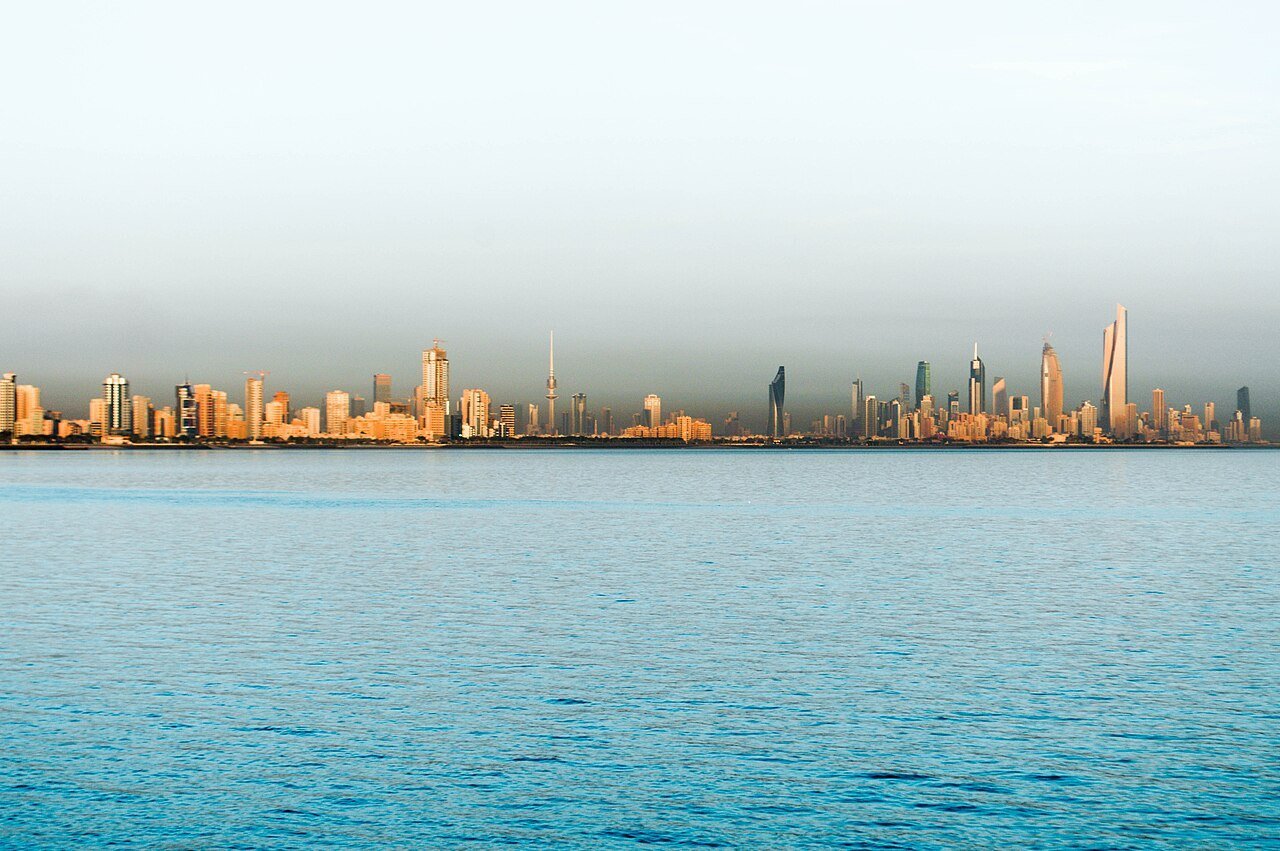
Kuwait is about to take on a bigger role in the Gulf’s collective defence. Defence ministers of the Gulf Cooperation Council agreed on Tuesday to establish the GCC forward command in Kuwait, an advanced headquarters of the bloc’s Unified Military Command, and to assign appropriate military forces to support its work.
The decision was taken at the 23rd session of the GCC Joint Defence Council in Manama, the Bahraini capital. The meeting was chaired by Bahrain’s Minister of Defence Affairs, Lieutenant General Abdullah bin Hassan Al Nuaimi, and brought together the defence ministers of all six member states: Saudi Arabia, the United Arab Emirates, Qatar, Kuwait, Bahrain and Oman.
GCC Secretary General Jasem Mohamed Albudaiwi announced the outcome. A forward command is a headquarters positioned closer to potential flashpoints than a bloc’s main command centre, which allows faster coordination and quicker deployment when a crisis breaks. The Unified Military Command itself is headquartered in Riyadh, so the new post in Kuwait will act as its advanced arm in the northern Gulf.
Why the GCC forward command in Kuwait was approved now
The ministers were explicit about the context. Their decision follows months in which Gulf states have faced missile and drone attacks linked to the war involving Iran, and it builds on directives issued by Gulf leaders at an extraordinary summit in Jeddah last April, where they called for closer military cooperation and greater readiness.
Albudaiwi pointed to rapid regional developments, including what he described as heinous Iranian attacks on member states, and praised the level of military cooperation the six countries had shown in confronting them. The council’s statement said the decisions reflect a firm Gulf commitment to safeguarding the security and sovereignty of the GCC states and to strengthening their ability to confront common threats.
The secretary general also condemned Houthi attacks on Saudi Arabia, including the targeting of sites holy to Muslims, and said the Gulf states stand as one rank with the kingdom, whose security he described as an integral part of the security of all member states. The Manama meeting followed an October 29 gathering of GCC armed forces chiefs of staff, also held in the Bahraini capital, which prepared the ground for the ministers’ decisions.
What the GCC forward command in Kuwait will do
In practical terms, the GCC forward command in Kuwait will bring together military personnel and resources from the member states under the existing unified structure. Its job is to coordinate joint planning and operations and to improve the bloc’s ability to respond to shared threats, from air and missile defence to the protection of energy infrastructure and shipping routes.
Analysts say the choice of Kuwait carries a message of its own. Kuwait has historically taken a moderate, hedging stance in regional disputes, yet it still came under attack during the recent fighting, taking hits attributed to Iran and to actors in Iraq. Placing a unified forward headquarters on Kuwaiti territory signals that the bloc intends to defend its northern flank collectively rather than leave each state to respond alone.
The GCC forward command in Kuwait is also meant as deterrence. By pre-positioning a joint headquarters and assigning forces to it, the six states are telling any attacker that a strike on one member would immediately engage a coordinated structure rather than six separate national responses.
Plenty of detail remains undisclosed. The announcement did not say where exactly in Kuwait the headquarters will sit, how many troops will be assigned, which countries will contribute which forces, or when the command will become operational. The GCC statement said the agenda included several significant decisions to deepen defence integration, without spelling them out.
What is clear is the direction of travel. The GCC, founded in 1981, created its Unified Military Command in 2013 and opened its Riyadh headquarters in 2021. It also maintains the Peninsula Shield Force as a standing joint component. The GCC forward command in Kuwait adds another layer to that architecture, one shaped directly by the experience of the past year.
Kuwait’s own defence leadership has been closely involved in the preparations. The country’s chief of the general staff, Lieutenant General Khaled Al Shuraian, met the Unified Military Command chief, Major General Abdulaziz Al Balawi, on November 4, and Kuwait’s defence minister travelled to Manama for Tuesday’s session. For a small state that sits between Iraq, Saudi Arabia and, across the water, Iran, hosting the GCC forward command in Kuwait is both a security guarantee and a statement of where it stands.
Source: Arab News