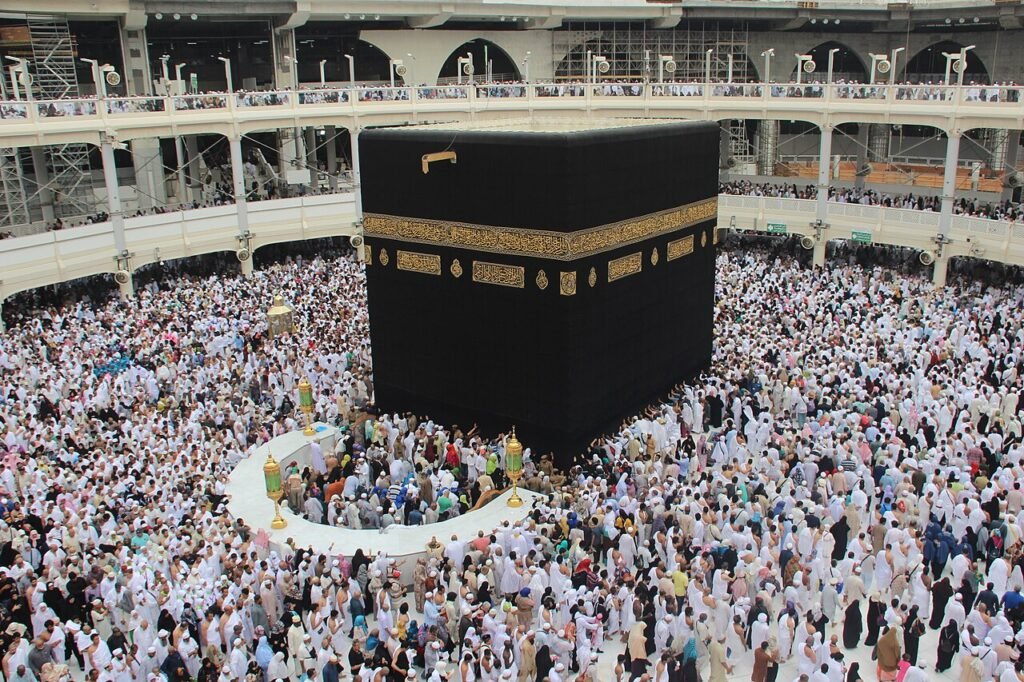
Saudi Arabia said debris from two ballistic missiles intercepted by its air defence fell in the Mecca region on Wednesday, as the kingdom and the Houthis of Yemen continue to exchange attacks in an escalating conflict. The Saudi Arabia intercepts missiles near Mecca incident brought the missile war to the edge of Islam’s holiest city, a development that raises the stakes for both sides and for the wider region. No casualties were reported from the falling debris.
Saudi state television identified the locations: the village of Sabuhah, about 35 kilometres northeast of the Grand Mosque in Mecca, and Wadi al-Maghmas, about 21 kilometres east of the mosque. The missiles were launched toward the region and then intercepted and destroyed, according to Saudi civil defence. The debris fell on open ground near the two sites, close enough to the holy city to alarm residents and pilgrims alike.
Saudi civil defence said early on Thursday that this hostile targeting of civilian objects constitutes a flagrant violation of international humanitarian law and reflects the dangerous hostile approach pursued by the Houthi militia. The language was unusually strong, and it framed the incident as an attack on civilians rather than a military operation. The Saudi Arabia intercepts missiles near Mecca episode is now part of a wider argument about the rules of a war that has already lasted a decade.
Saudi Arabia intercepts missiles near Mecca as Houthis deny targeting holy cities
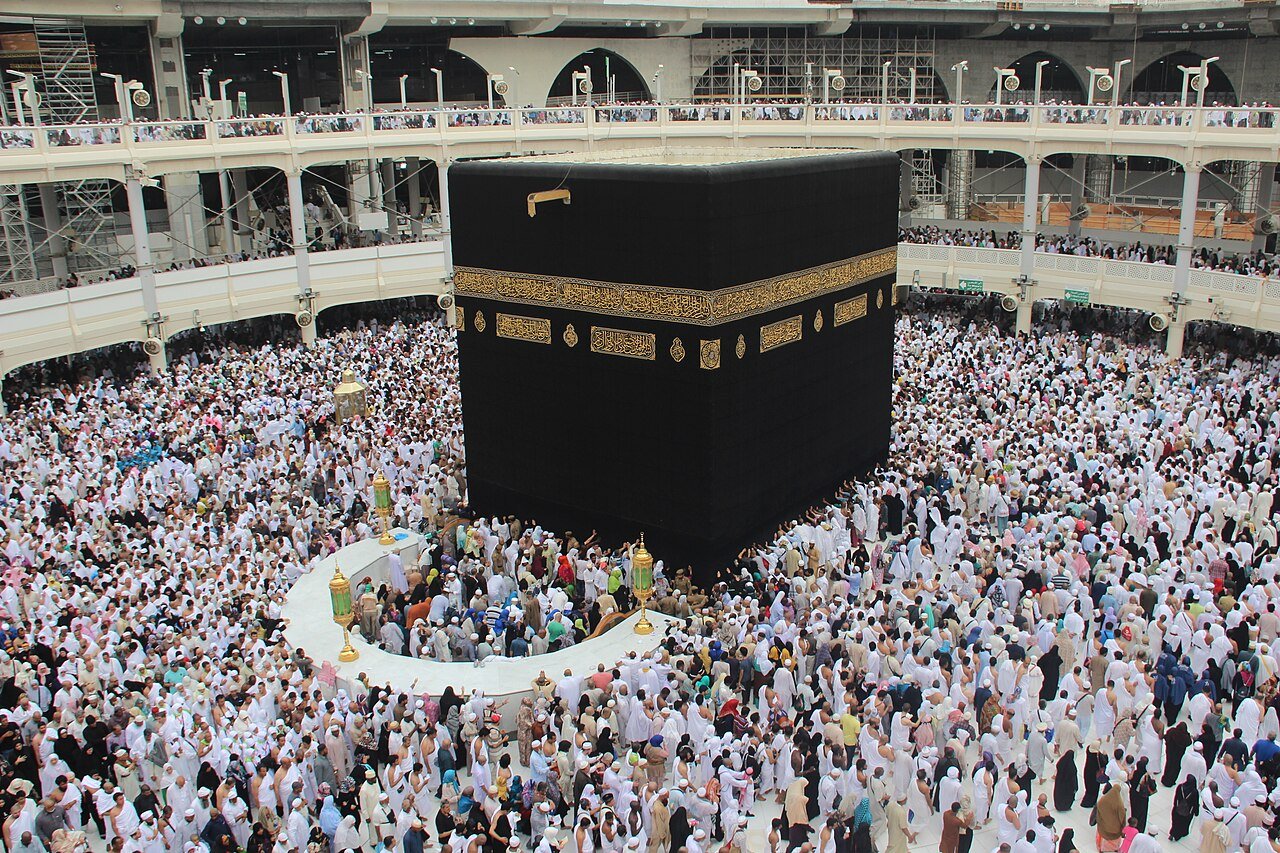
The Houthis have repeatedly denied targeting Mecca and Medina, the two holiest cities in Islam, saying their military operations aim at military and strategic targets elsewhere in Saudi Arabia. The Saudi Arabia intercepts missiles near Mecca claim is disputed on that point: Riyadh says the missiles were aimed at the Mecca region, while the Houthis say they do not target the holy cities. The gap between the two accounts is unlikely to be closed by the debris alone.
Mecca, home to sacred sites for Muslims around the world, is the centre of the annual hajj pilgrimage, undertaken each year by millions of worshippers. An attack near the city touches a nerve far beyond Saudi Arabia, reaching Muslims in every country. The Saudi Arabia intercepts missiles near Mecca incident therefore carries a symbolic weight that a strike on a remote military base would not, and it puts pressure on all sides to avoid an escalation around the holy sites.
A decade old war returns to escalation
The Houthis seized the Yemeni capital Sanaa in 2014, prompting Saudi Arabia to intervene militarily the following year in support of the internationally recognised government. A United Nations brokered truce in 2022 largely froze the conflict, but hostilities resumed this year, with Houthi missile and drone attacks on Saudi territory and Saudi air strikes in Yemen. The Saudi Arabia intercepts missiles near Mecca event is the latest sign that the truce has broken down.
The latest escalation threatens the strategic Bab el-Mandeb strait, the narrow waterway at the mouth of the Red Sea through which a large share of world shipping passes. Attacks in the region have already disrupted trade and raised insurance costs for vessels using the route. The Saudi Arabia intercepts missiles near Mecca incident adds a land dimension to a conflict that is also being fought at sea, and it shows how easily a local war can spill into global shipping lanes.
For now, the two missiles were stopped in the air, and the damage was limited to debris on the ground. But the fact that they were fired toward Mecca at all marks a new phase in the conflict. The holy city has been spared the worst of the war until now, and whether it stays that way will depend on decisions made in Sanaa and Riyadh in the days ahead, and on whether the diplomatic channels that once froze the fighting can be reopened in time to prevent a wider war.