Prime Minister Tarique Rahman left Dhaka on Tuesday morning for Antalya, where he will press Bangladesh climate justice at COP31 at the leaders’ summit.
The prime minister departed on a Turkish Airlines flight at 7:30 a.m. for a three day visit. The UN climate conference opened on 9 November and runs until 20 November, with the leaders’ segment on 11 and 12 November. Rahman is scheduled to meet President Erdogan on Tuesday evening, address the plenary on 12 November, and return home on 13 November.
Why Bangladesh climate justice at COP31 matters
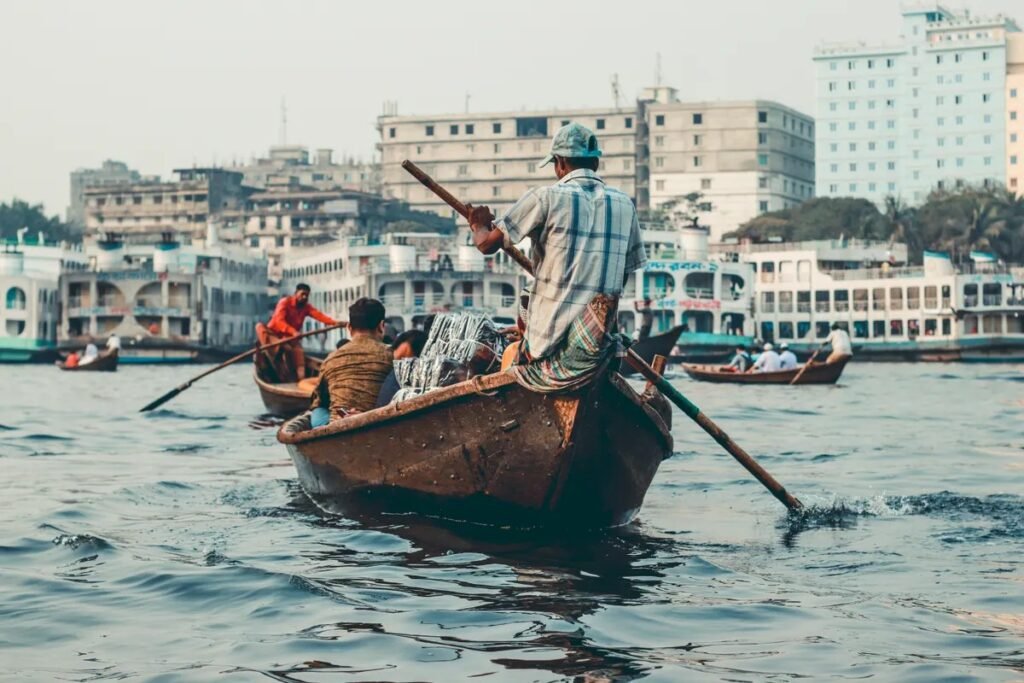
Dhaka’s message is built on a stark imbalance. Bangladesh accounts for just 0.05% of global greenhouse gas emissions, yet it sits among the South Asian countries most exposed to climate damage, with a low lying delta, intensifying cyclones and river erosion that displaces communities every year. At Antalya, the delegation will press for Bangladesh climate justice at COP31 with three demands: climate justice as the organising principle of the talks, substantially more finance for adaptation, and proper funding for loss and damage already being suffered.
Successive governments in Dhaka have built a reputation in negotiations on Bangladesh climate justice at COP31 disproportionate to the country’s economic weight, supplying negotiators, technical experts and moral authority to the bloc of vulnerable nations. Domestically, adaptation is not an abstraction: protecting the coastal belt, where tens of millions of people live within a few metres of sea level, absorbs a growing share of public investment every year.
What Bangladesh climate justice at COP31 means for adaptation finance and loss and damage
These arguments are familiar ones at UN climate summits, and Bangladesh has made them for years, often as a leading voice for the least developed countries. What the government needs from Bangladesh climate justice at COP31 is movement from principle to money: commitments that can fund embankments, resilient housing, salt tolerant agriculture and the relocation of people whose land the rivers have taken.
For one of the world’s most climate threatened nations, Bangladesh climate justice at COP31 is therefore a practical test. Speeches about vulnerability are easy to applaud. The measure of this trip will be whether Bangladesh comes home with financing pledges concrete enough to change what gets built along its coasts and rivers before the next storm season.
Source: The Business Standard