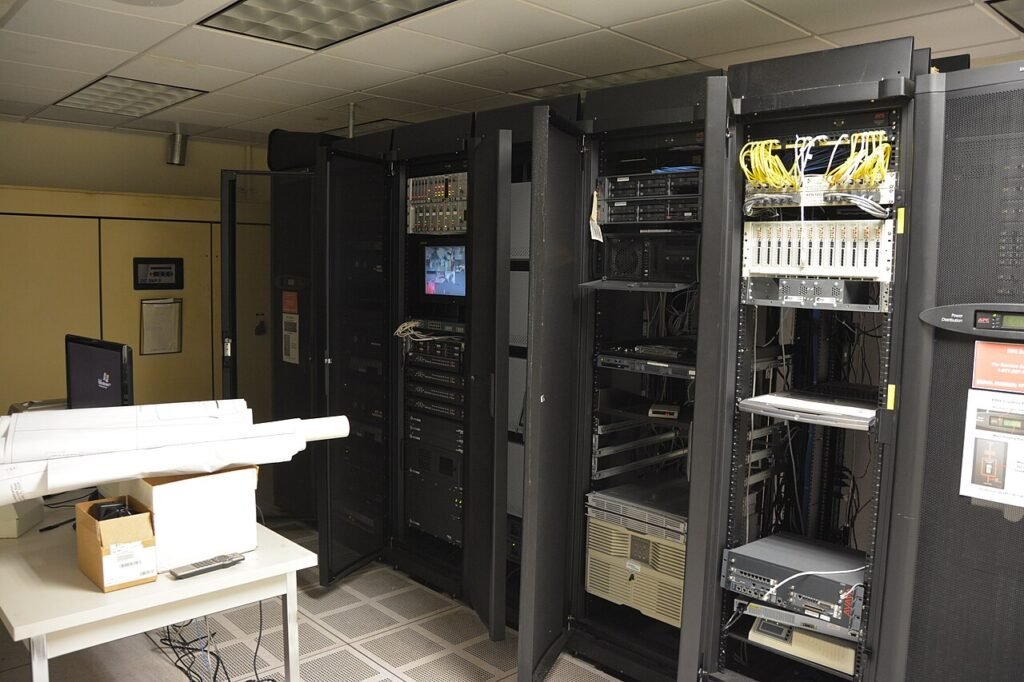
The Malaysia data centre monitoring law under consideration would give the government new powers to watch over one of the country’s fastest growing industries. Malaysia is considering a law allowing the government to monitor the operations of data centres, including their use of high performance chips, Trade Minister Johari Abdul Ghani said on Thursday. The proposal places Malaysia at the centre of the technology rivalry between the United States and China.
The country faces fresh scrutiny over its possible use by companies to bypass American restrictions on advanced artificial intelligence chips. That scrutiny follows a scandal involving Nvidia chief Jensen Huang and his alleged links to a suspected Chinese spy. The episode has raised questions in Washington about how advanced chips move through Southeast Asia, and Malaysia, with its growing data centre sector, has come under particular attention.
Before the Malaysia data centre monitoring law was proposed, Malaysia had already imposed export controls last year on movements of high performance American AI chips, under pressure from Washington to curb their flow to China. Those controls were a first step, but the new proposal would go further, giving the government visibility inside the data centres themselves, rather than only at the border where chips enter or leave the country.
Malaysia data centre monitoring law would require disclosure of operators
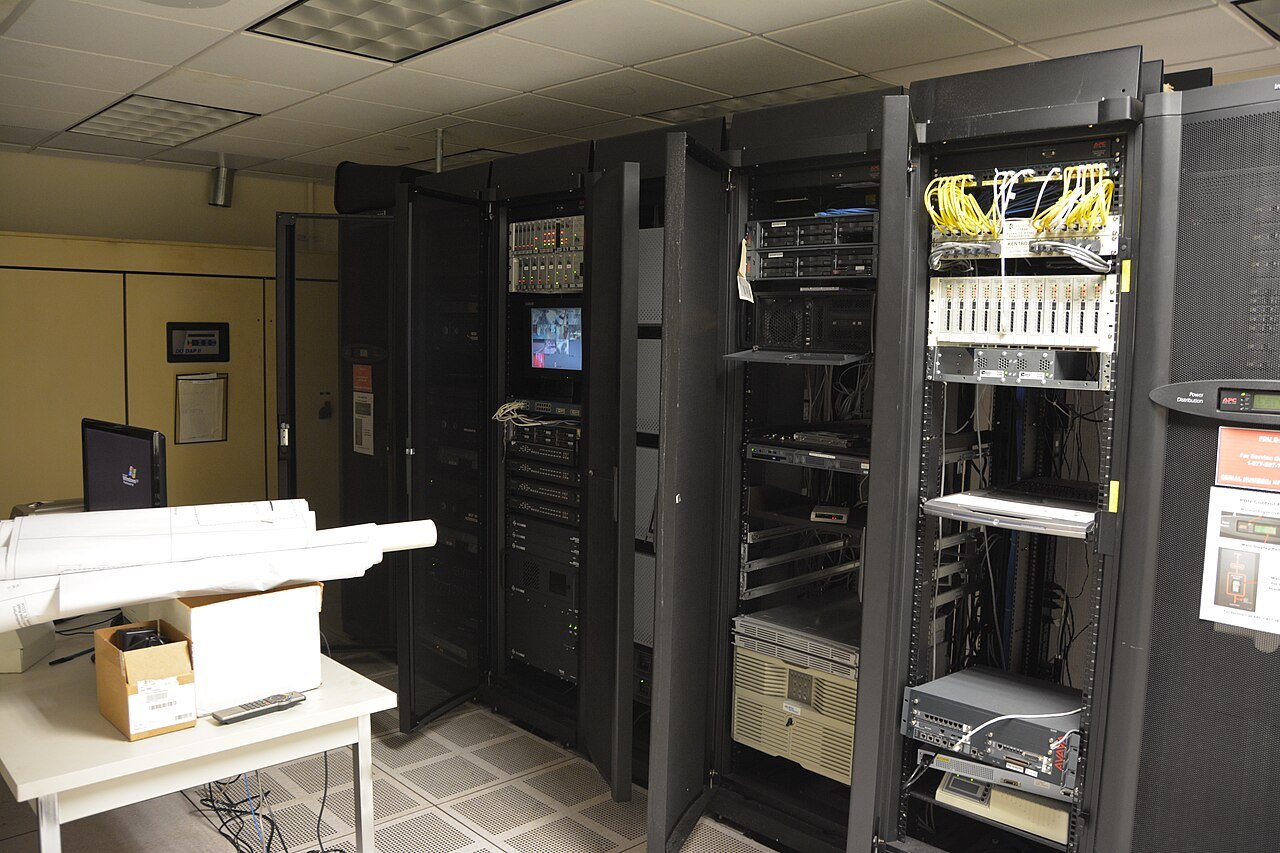
The Malaysia data centre monitoring law would require data centre promoters to declare the identity of operators, the location of facilities and the number of graphics processing units, known as GPUs, imported. That information would allow the authorities to build a clearer picture of who is using advanced chips in Malaysia, where they are installed and in what quantities. It would also make it harder for chips to be diverted without detection.
Under the Malaysia data centre monitoring law, the minister said Malaysia needed to ensure that US restricted chips imported into the country serve domestic use and are not re-exported. That distinction is the core of the American concern, that chips imported for legitimate use in Malaysia could be passed on to users in China, in breach of US export controls. A monitoring law would give Malaysia a way to show Washington that it can enforce that distinction in practice, not only on paper.
He added that the government did not plan an investigation into Speedmatrix, the Malaysian unit of Singaporean cloud company Megaspeed, suspected of having been used to route Nvidia chips to Chinese users. The decision not to investigate that specific case, while proposing a broader monitoring law, suggests the government prefers systemic controls to a single company inquiry, at least for now.
Megaspeed said on Thursday that it takes its obligations under US export control laws very seriously and is committed to cooperating constructively with the US government. That statement, coming on the same day as the minister’s announcement, shows how closely companies in the sector are watching the debate, and how keen they are to demonstrate compliance with American rules.
A data centre hub caught in a wider rivalry
The Malaysia data centre monitoring law debate reflects the country’s position as a data centre hub in Southeast Asia. Cheap land, reliable power and a strategic location have attracted large investments in data centres, serving both domestic demand and regional customers. That growth has brought jobs and investment, but it has also brought Malaysia into the middle of a geopolitical contest over the technology that powers artificial intelligence.
For Malaysia, the challenge under the Malaysia data centre monitoring law is to keep the investment flowing while satisfying American concerns about chip diversion. A monitoring law could help on both fronts, by giving the government a credible system of oversight that reassures Washington without shutting down the sector. The details will matter, including how intrusive the monitoring will be, what data operators must share, and how the rules will be enforced.
For the United States, the issue is about the effectiveness of its export controls. Restrictions on advanced AI chips are designed to slow China’s progress in artificial intelligence, and any leak through third countries undermines that policy. Malaysia’s willingness to consider a monitoring law is therefore likely to be welcomed in Washington, even if the final form of the law remains to be seen.
The Malaysia data centre monitoring law proposal is still at the stage of consideration, and no draft has been published. The coming weeks will show whether the government moves from weighing the law to introducing it, and how the data centre industry responds. For now, Malaysia has signalled that it takes the chip question seriously, and that it is prepared to act to protect both its industry and its standing with its trading partners.
Source: Reuters